
Publikované: 02.06.2026
Students of the Pierre de Coubertin High School in Piešťany got to know the world of natural sciences directly at the faculty
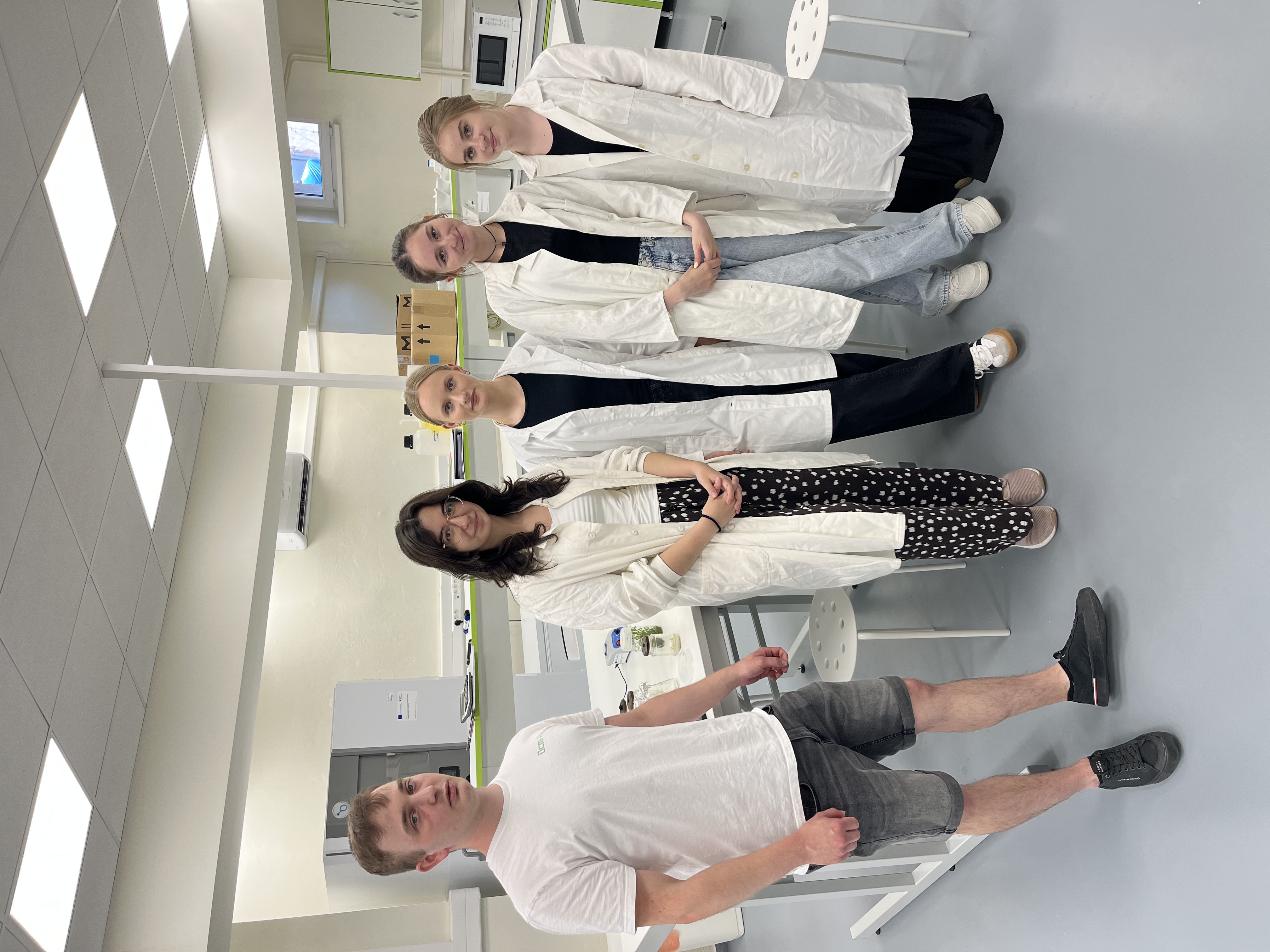
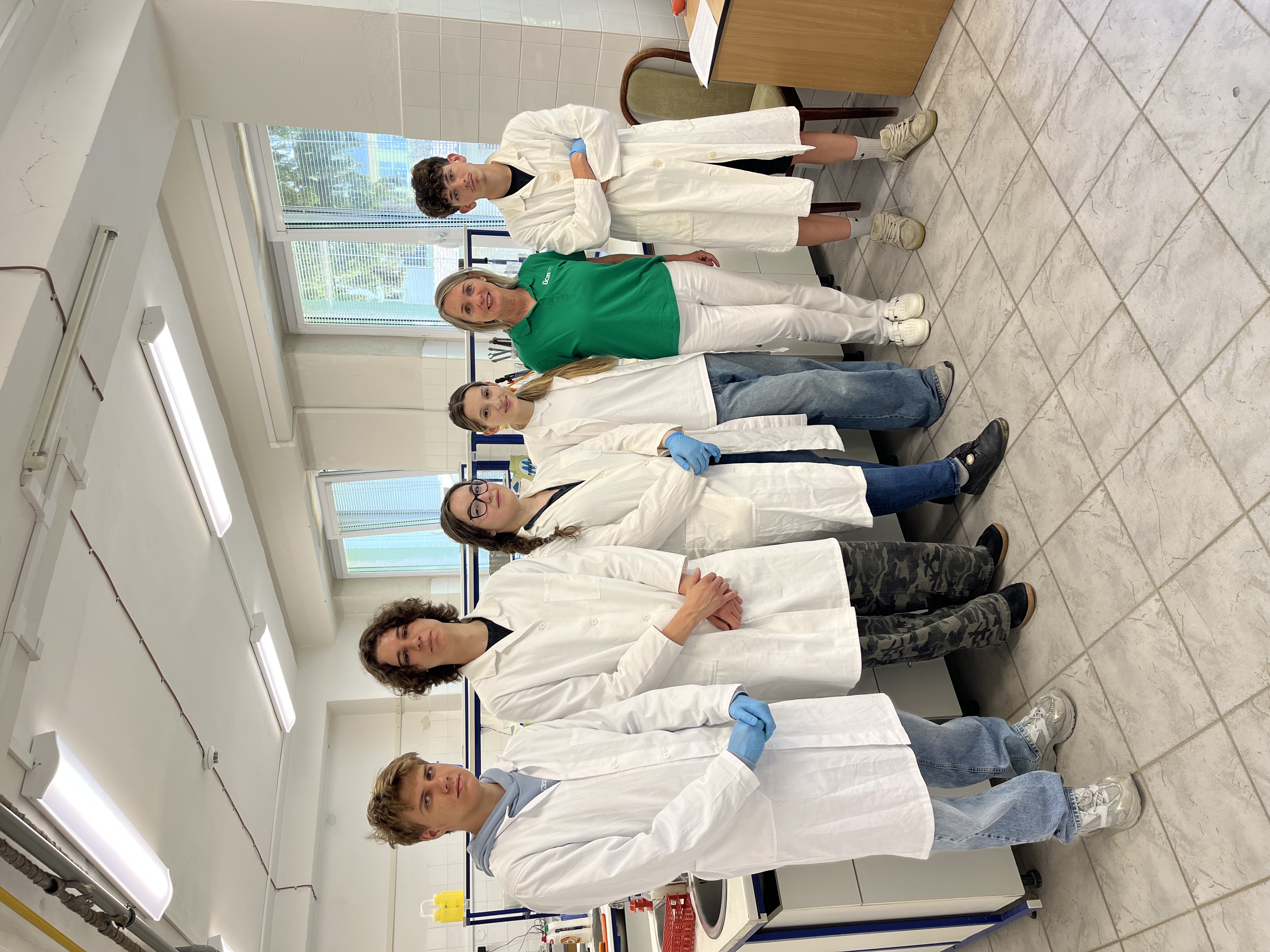
On June 2, 2026, the UCM Faculty of Natural Sciences welcomed the students of the Pierre de Coubertin High School in Piešťany, who participated in professional practice focused on selected topics from the natural sciences. The program was prepared to introduce students not only to theoretical knowledge, but especially to real laboratory work and the possibilities of modern natural science research.
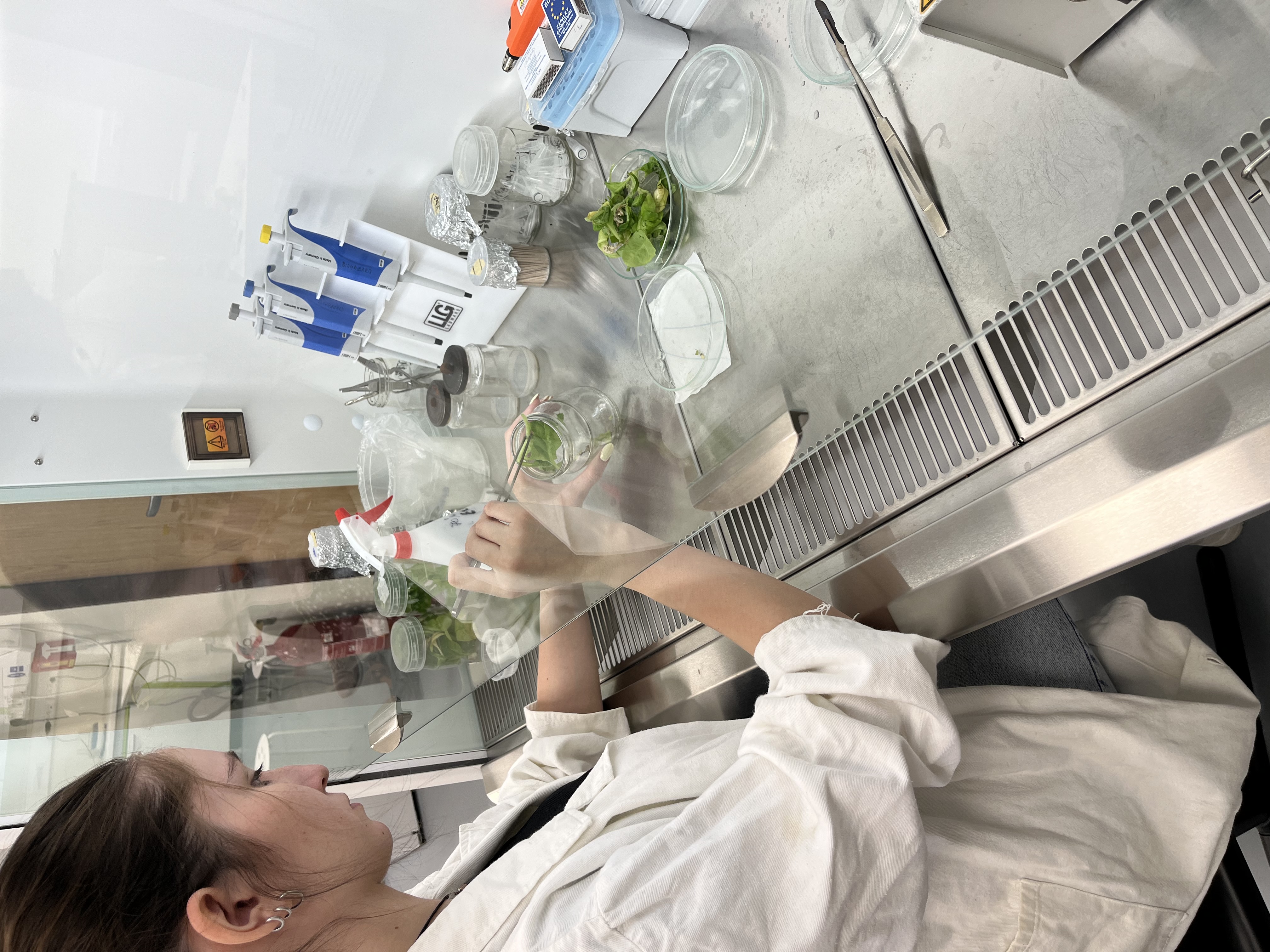
One of the topics was the basics of plant in vitro cultures. Students became familiar with the principles of growing plants in sterile conditions and tried to establish their own in vitro cultures. Using the example of tobacco, they learned the principle of micropropagation, i.e. the way in which a larger number of new plants can be obtained from a small part of plant tissue.
The next part of the program was devoted to the topic Who is who among carbohydrates? – chemical forensics. Students analyzed unknown solutions and determined individual types of carbohydrates using proof reactions. Based on the observed chemical changes, they formulated conclusions about the identity of the samples and learned to justify their decisions with experimental evidence.
The Invisible Pollutants in Water task was also a very attractive topic: Become an environmental detective! Students were transported into the world of modern analytical chemistry and learned how hidden pollutants in water can be detected. During their work, they used a modern sensor based on BDDE material and a screen-printed electrode, through which they investigated the presence of pollutants in drinking and surface water.
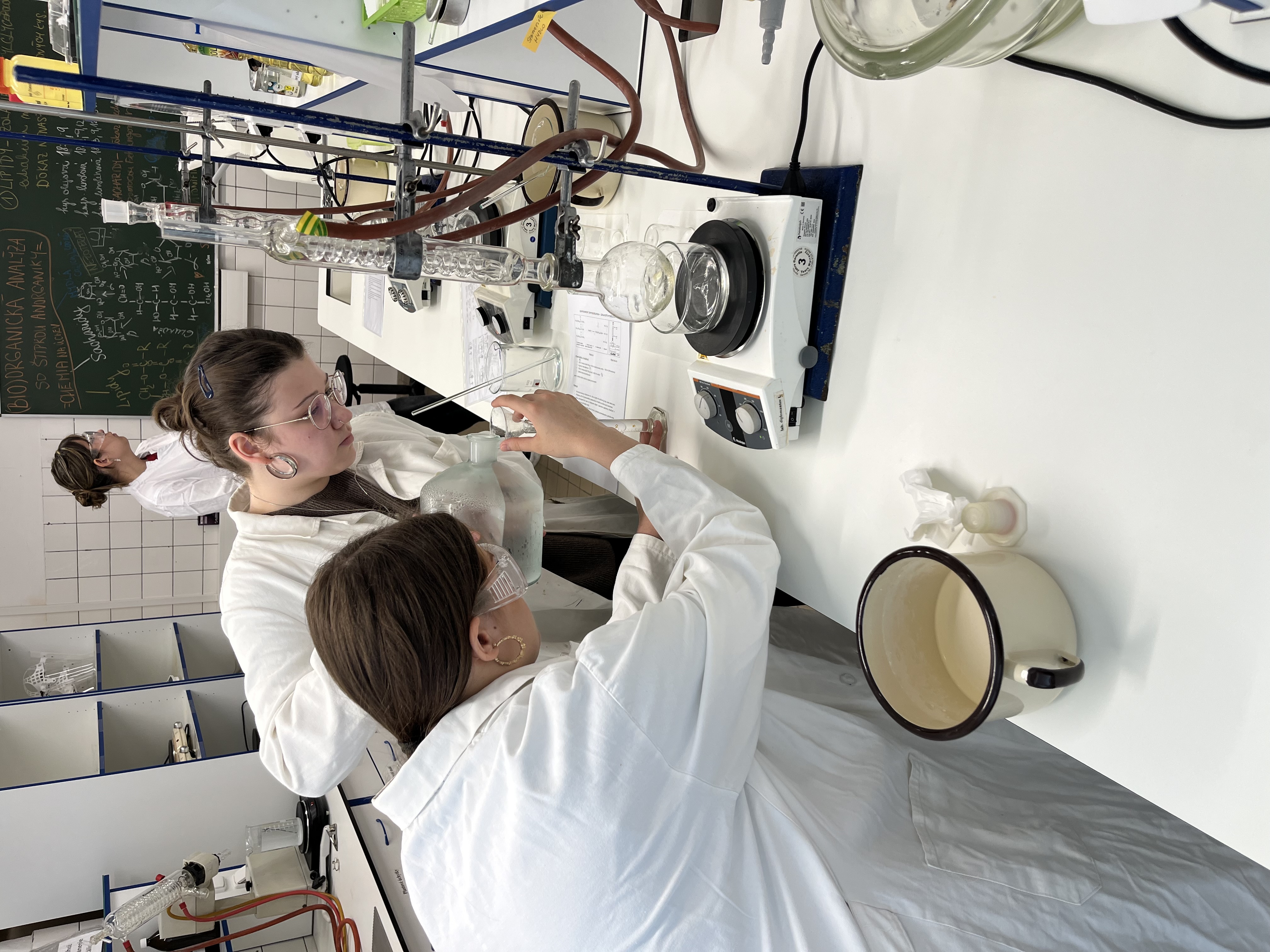
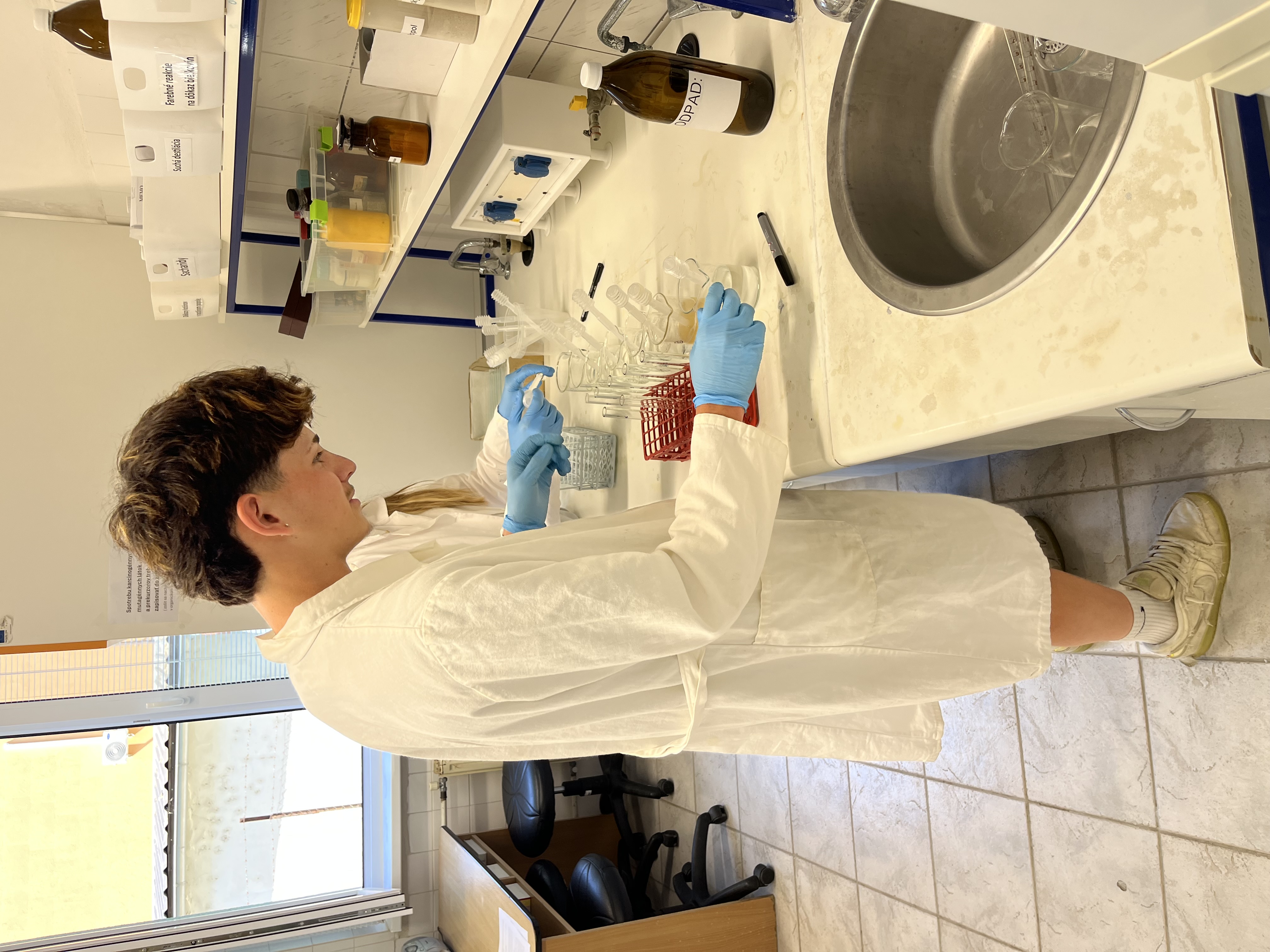
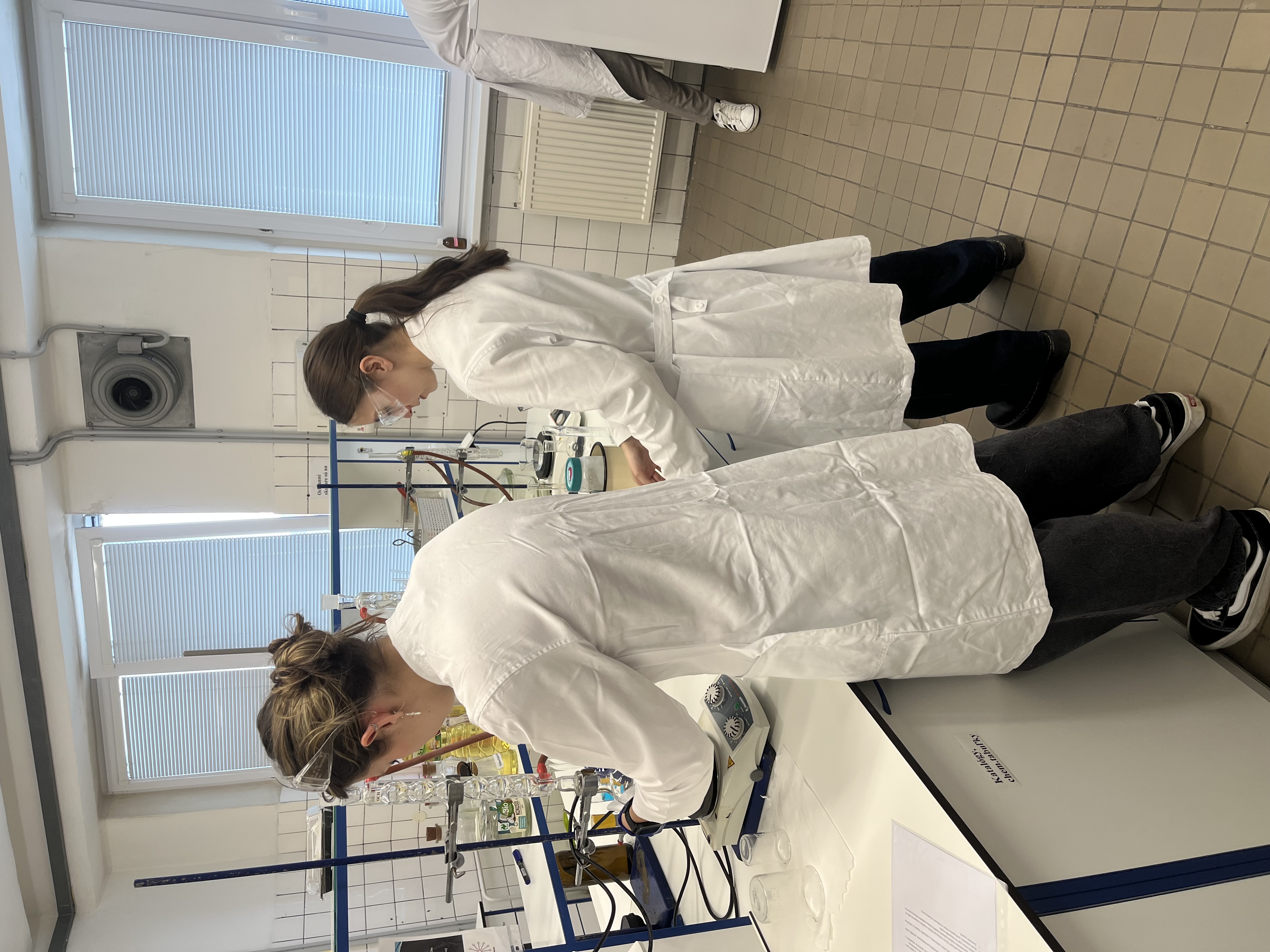
The program also included experimental (bio)organic chemistry, in which students studied fats, sugars and essential substances in food. Through proof reactions, they determined the presence of reducing carbohydrates, compared the properties of fats and verified the presence of unsaturated bonds in oils. An interesting part was also the preparation of soap from coconut oil using alkaline hydrolysis - saponification. The students could take the resulting product home.
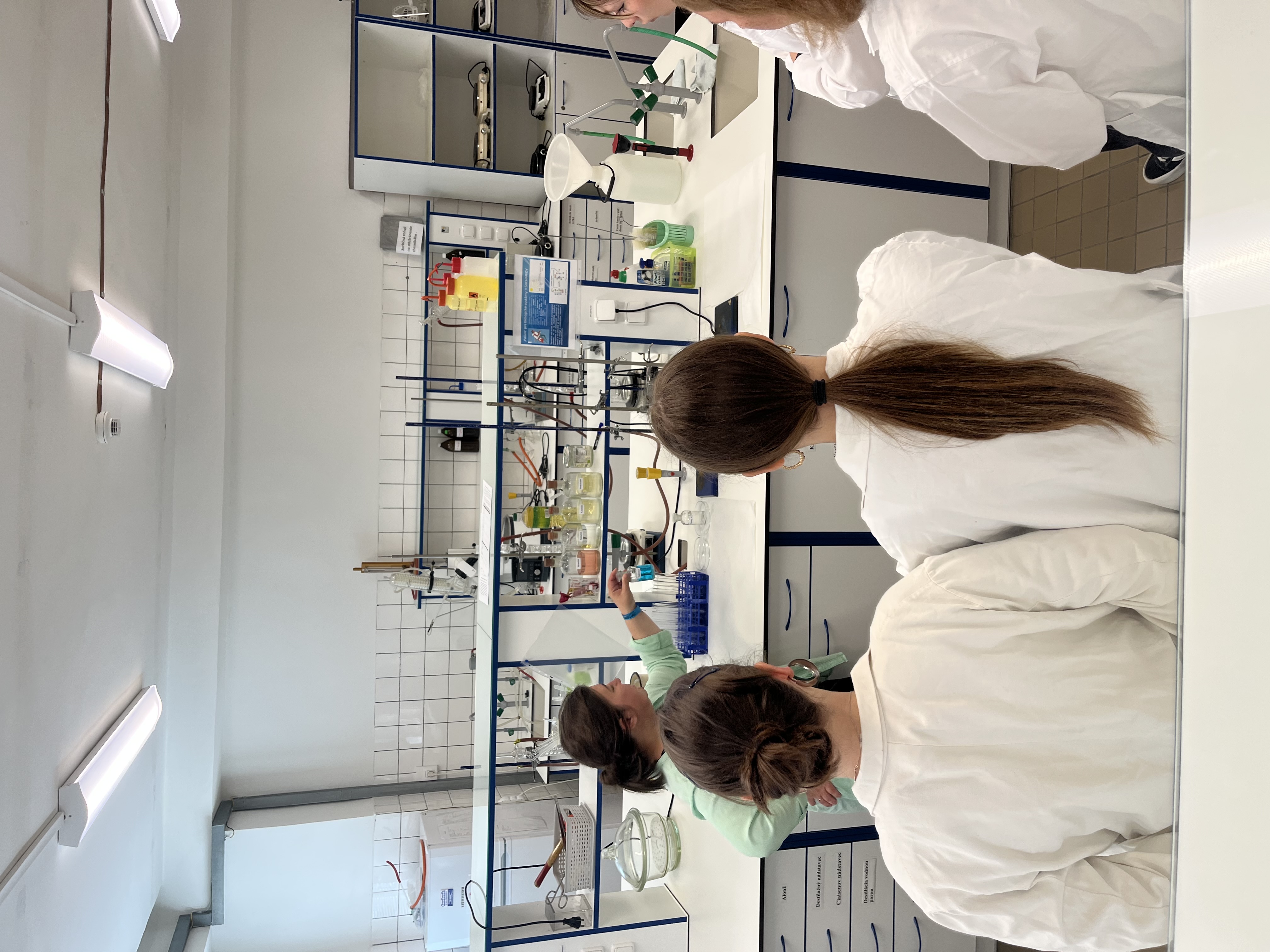
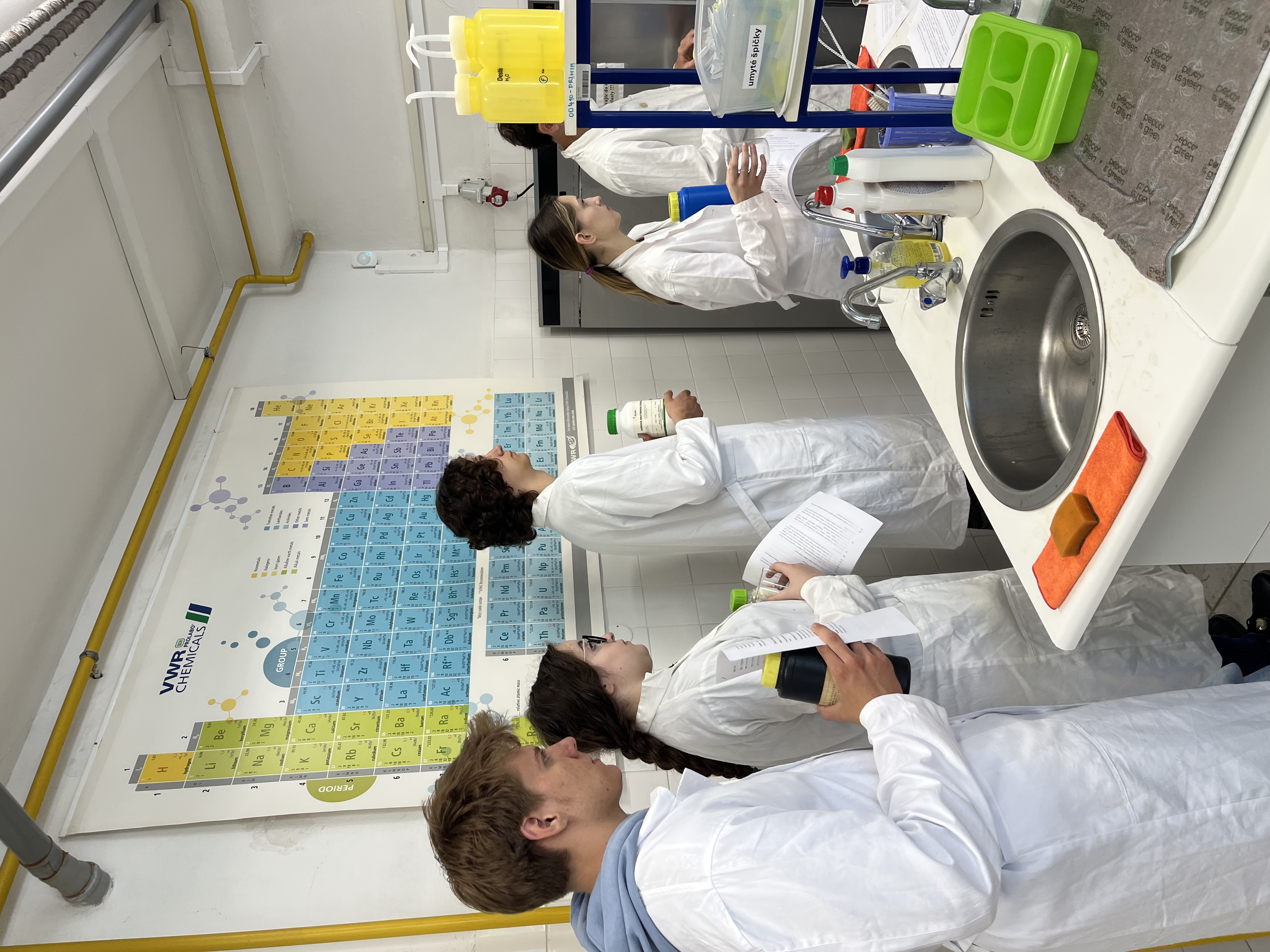
Another of the topics was called Sodium under the magnifying glass: analysis of flavorings. Students became familiar with the importance of monitoring sodium content in food from the point of view of nutrition, health protection, and quality control. In the analysis of flavorings, they used the principles of ion-exchange chromatography and the subsequent determination of the amount of sodium using acid-base titration.
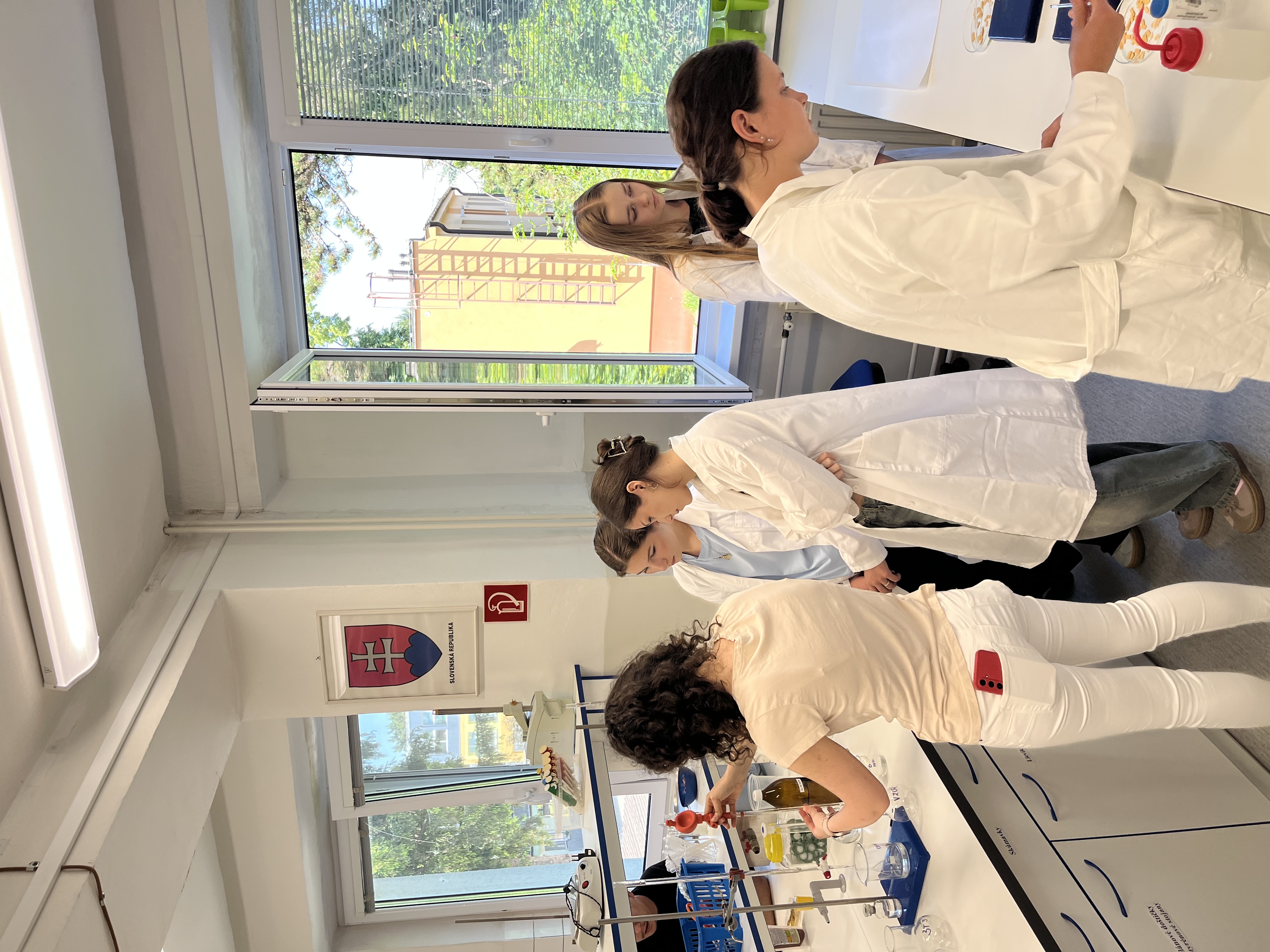
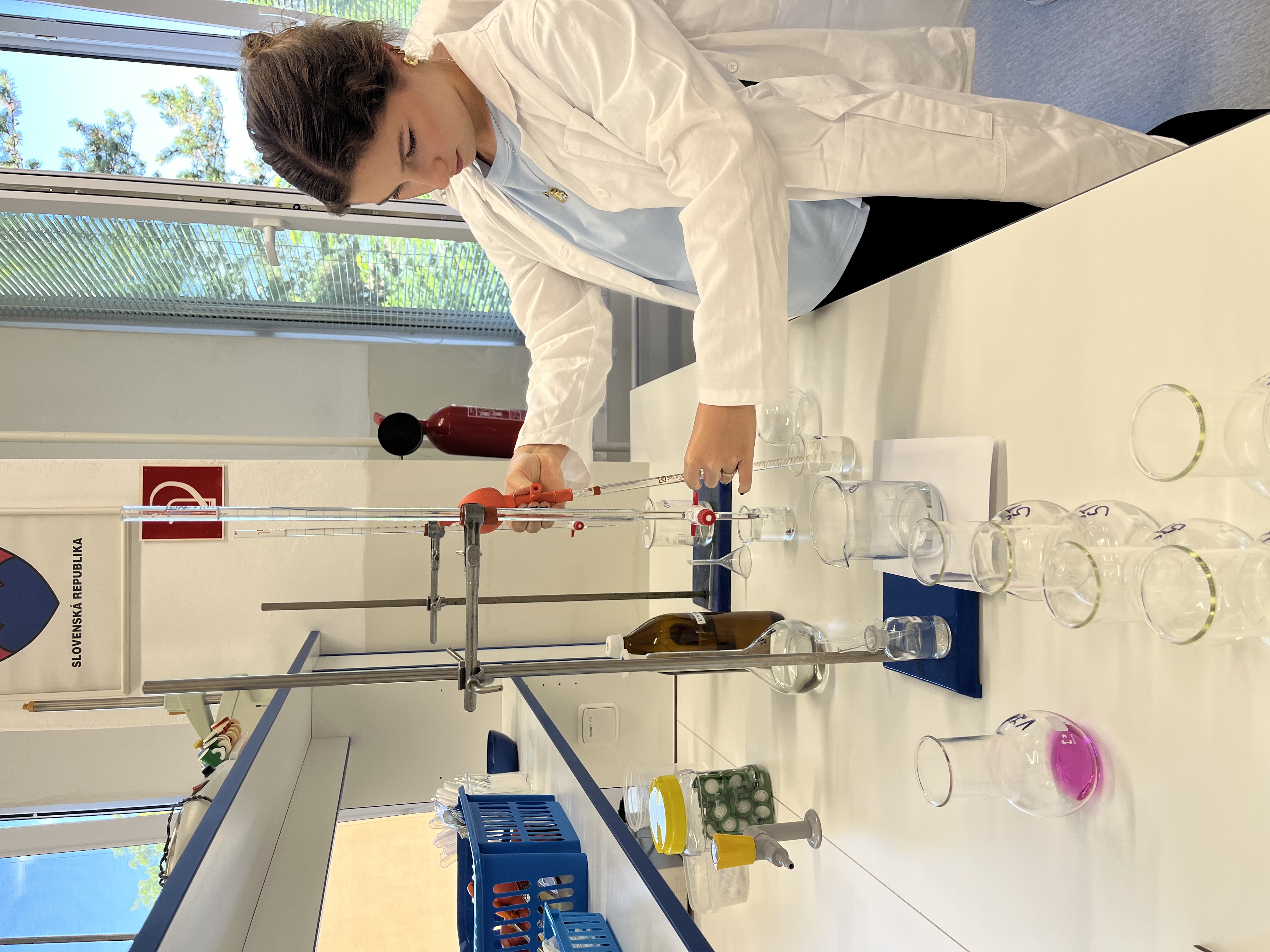
Professional practice showed students that natural sciences offer wide possibilities for discovery, experimentation and practical application of knowledge. Thanks to various activities, they were able to see the work of scientists and gain valuable experience that can help them in their further studies and in deciding on their future professional direction.


