
Published: 30.05.2026
Students of the Secondary Industrial Transport School in Trnava tried IoT, programming and cyber security at the faculty
On May 18-29, 2026, a practical two-week internship for students from the Secondary Industrial Transport School in Trnava took place at our faculty. During the internship, they dealt with IoT technologies (LoRaWAN, BLE, Wi-Fi, MQTT), programming and the development of algorithmic thinking through "vibe coding", as well as the basics of cyber security, including practical CTF tasks.
In the first part of the practice, the students practically tried out the use of Bluetooth Low Energy (BLE) and Wi-Fi communication technologies on the IoT development kit ESP32-C6. As part of the BLE task, they created their own service and characteristics, tested the communication between the mobile application and the microcontroller, and implemented the control of hardware peripherals through data received via the BLE interface. All tasks were carried out in the MicroPython environment, which made it possible to clearly present the basic principles of the development of modern IoT devices. The result was a simple wireless system enabling the control of an RGB LED diode using a mobile phone.
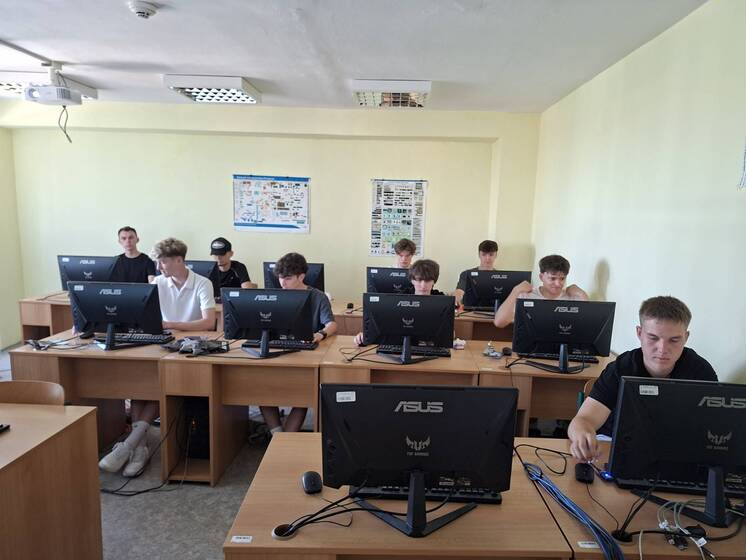
The second part of the practice was focused on Wi-Fi communication and the use of the MQTT protocol, which is one of the most widespread communication standards in the field of the Internet of Things and industrial applications. Using practical examples, students verified how IoT devices communicate with the MQTT broker, send measured data and receive control commands.
The ESP32-C6 development kits used during the exercises were donated to the students for further independent experimentation, expanding the acquired knowledge and solving their own projects in the field of the Internet of Things and embedded systems.
In a workshop focused on the school of programming and the development of algorithmic thinking, students addressed the topic of vibe coding and its use in the rapid creation of functional prototypes. They tried creating a web application that displayed the current weather and the phase of the moon after selecting a location on the map. At the same time, the workshop followed up on the topics of their year papers and showed how vibe coding can help in the initial understanding of the problem being solved.
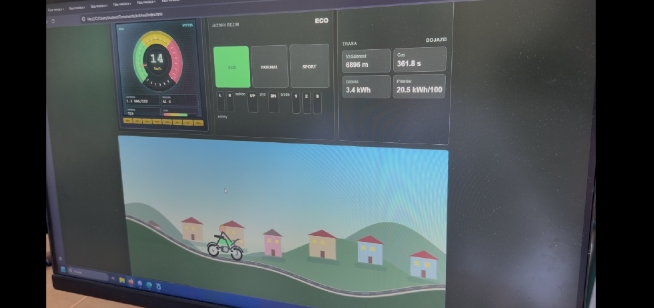
A practical example was a student thesis focused on an electric moped. Using vibe coding, they created a web application with a functional display design that displayed data according to a driving simulation. In the lower part of the application, a simple game simulation of the moped's behavior was also added, which generated the data displayed on the display. This prototype can serve as an initial step in the further development of their coursework.
In the final part of the practice, students became familiar with the basics of cyber security. They learned to distinguish between an encrypted and a hashed message, learned about some hashing algorithms that are easily broken today, and tried out SQL Injection and Cross-Site Scripting (XSS) attacks in a hands-on demonstration.
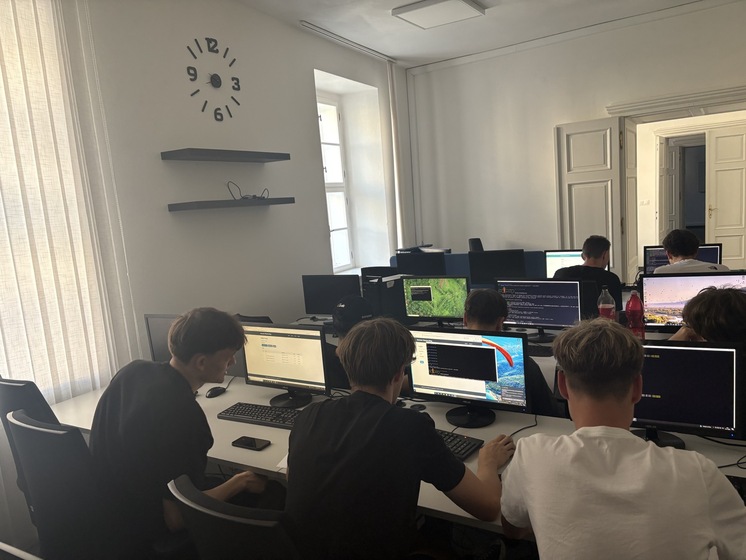
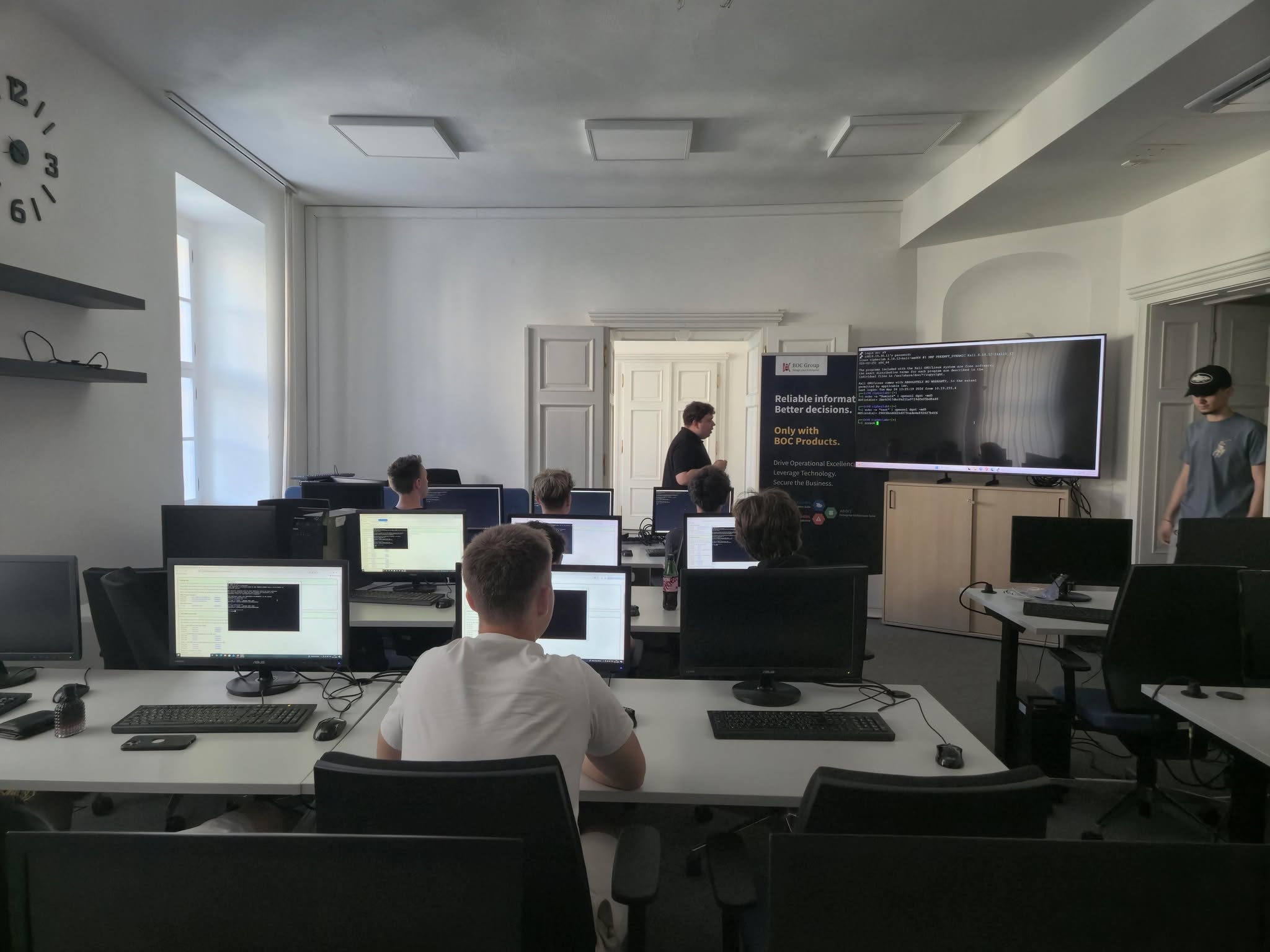
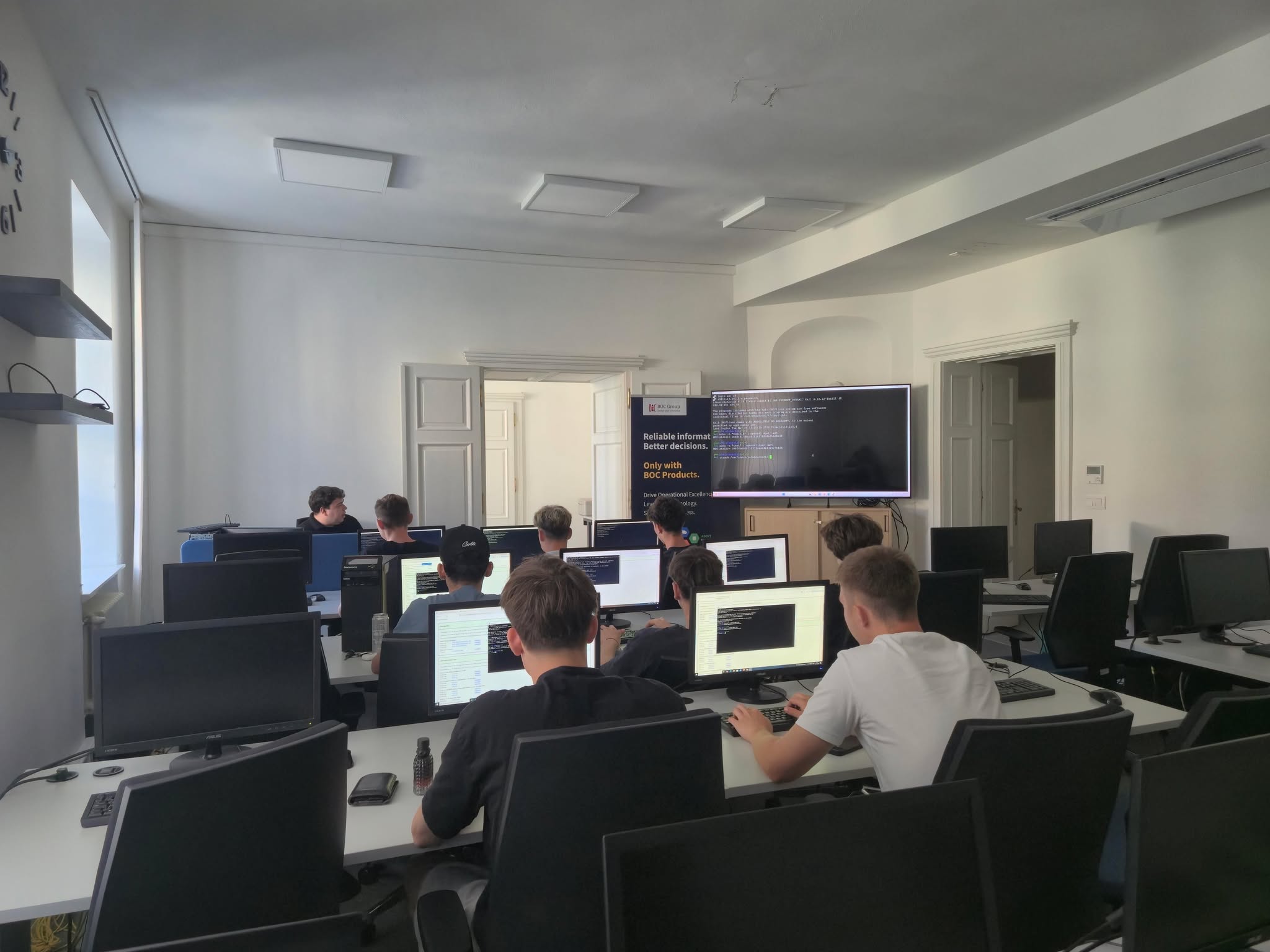
In the second part of the day, students were divided into teams and tasked with compromising a website, obtaining an administrator password, and performing SQL Injection and XSS attacks in Capture the Flag (CTF) format.
Practice has shown that high school students can work very successfully with advanced technologies and practical real-world tasks. We look forward to further cooperation with the Secondary Industrial Transport School in Trnava and believe that the experience gained will help them in their further studies and in their future professional practice.
Participation in the event was carried out with the aim of promoting the study of informatics and increasing interest in the field of Informatics, which is included among the shortage fields supported by the Ministry of Education and Culture of the Slovak Republic.


